

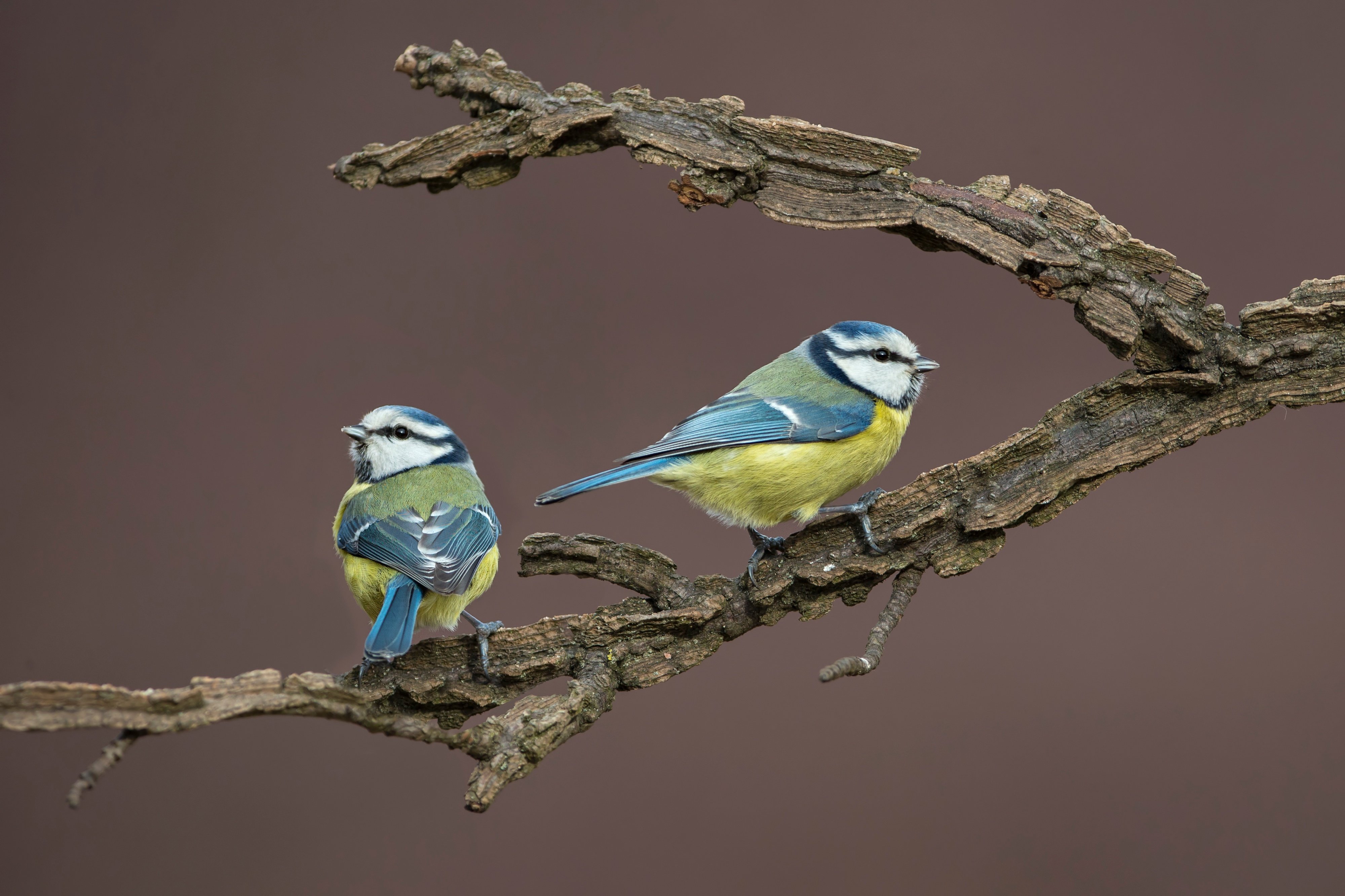
When married couples separate from each other due to disagreements or loss of love, they go through lengthy court proceedings that result in divorce. Similar behavior has now been observed in animals — specifically, in birds. Researchers have been surprised that some birds end their partnerships through a process that can be summed up as ‘divorce,’ the reasons behind it can be quite different across different species.
Birds are predominantly known for their monogamous social mating system, where they typically have a single mating partner for at least one breeding season. However, like humans, they can also divorce each other and pair up with new partners. Some bird species have higher divorce rates than others, but researchers are just starting to figure out why some birds divorce and others do not.
Some of the most common causes of avian divorce can be traced back to environmental factors. For example, it might be more challenging for a parent bird to catch enough fish to feed its chicks in years with warm ocean conditions. That means a lazy parent could make a wrong decision by divorcing their partner and going out to try their luck with another mate.
A less apparent reason for divorce is that a mated couple might decide to split up because they have different goals in life. For instance, the females of some tern species spend a lot of time nesting, incubating eggs, and feeding their chicks, while the males do not. As a result, the females may find a more compatible male with which to pair up while the males do not. In such cases, the males may leave the females to start a new partnership and take over nest duties.
Other reasons for divorce are based on genetics and personality. For example, the sex of some ptarmigan pairs is determined by DNA, so if a male has different genetics from his mated female, it is unlikely that they will mate again. On the other hand, a female may not care if her mate is genetically different from her and wants to find someone with whom she can have a successful breeding season.
Male promiscuity is also a factor in some species, particularly those that make long migrations. Researchers have found that high divorce rates in plovers, swallows, martins, orioles, and blackbirds are associated with male promiscuity, whereas petrels, albatrosses, and geese tend to have lower divorce rates.
Some researchers have suggested that the rate of avian divorce is higher in some species because of “costs” associated with the process, but those costs can vary significantly across species. For example, in a study of Great Skuas, researchers found that males that have been divorced take longer to find a new mate than widowed males. This may be because the males feel they are being discarded and are not as desirable as other potential mates.