

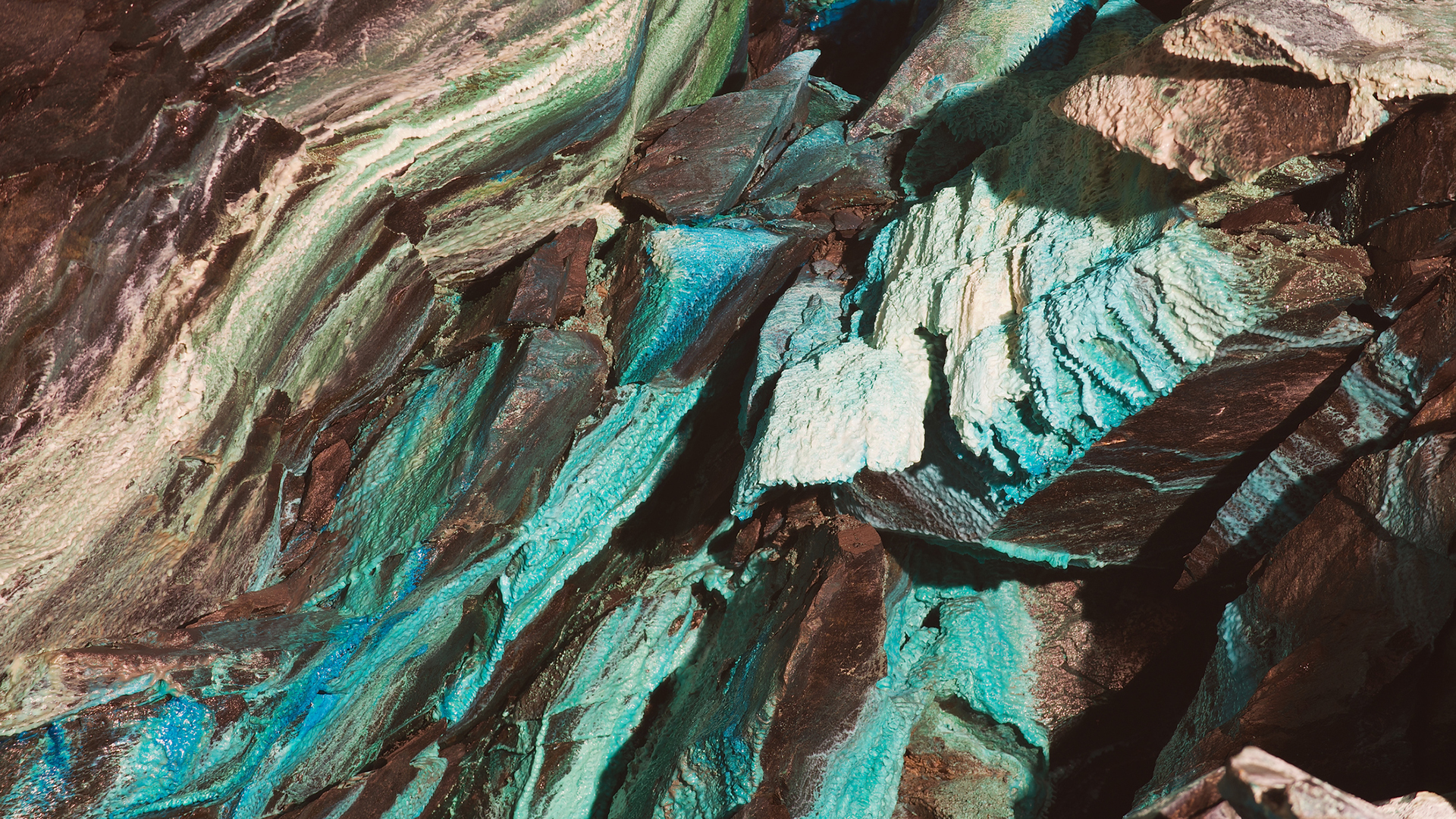
A massive phosphate rock deposit discovered last month could meet the global demand for solar panels and batteries for the next 100 years, according to the mining company that controls it. Norge Mining said the discovery in southwestern Norway is estimated to be worth at least 70 billion tonnes. The non-renewable mineral is used to produce fertilizers, but it’s also a vital ingredient in lithium-iron phosphate batteries for electric cars and semiconductors. It is also classified as a critical raw material by the EU, and the discovery could make Europe less dependent on Russia and China for supplies.
The deposit has already been drilled and is being prepared for extraction, Norge Mining co-CEO Michael Wurmser told the news outlet, Independent. In addition to phosphate, the deposit is believed to contain deposits of titanium and vanadium, also considered critical minerals by the EU. These are needed to produce high-performance aircraft and missiles, and two prominent airplane manufacturers have already contacted the company.
It is thought that the size of the phosphate deposit will be even greater than first estimated. Geologists initially believed it was around 300 meters deep, but a subsequent survey has revealed that it extends to a depth of 4,500 meters. It would be hard to dig that far underground with current equipment, but Norge Mining plans to develop new technology.
Indian Startups Raise $5.5 Billion in H1 2023, But That’s a 72% Drop from Last Year
Currently, most of the world’s phosphate is mined in Africa, which has a reputation for corruption and environmental abuse. A report in the journal Nature last year warned of a potential phosphorus shortage, citing Russia’s invasion of Ukraine and economic sanctions as possible causes of market volatility. The discovery in Norway will likely change all that, making it easier for the 27-member EU to access its supply.
Phosphorus was first discovered in 1669 by German scientist Hennig Brandt, who was looking for the philosopher’s stone. Still, the mineral has become vital to green technologies like solar panels and lithium-iron phosphate batteries for electric vehicles. It is also essential for the fertilizer industry and was included in the European Commission’s March proposal for a Critical Raw Materials Act.
The discovery in Norway is expected to impact the EU’s energy transition positively and allow it to become more self-sufficient in renewable production. The EU depends almost entirely on phosphate imports from countries such as China, Morocco, and Russia.
While the deposit is a big win for Europe, it won’t come cheap. Phosphate is among the most expensive raw materials to mine, and bringing it to market will require substantial investments in infrastructure. Various issues, including ownership disputes and environmental restrictions, will complicate it. Countries that control large phosphate reserves tend to have a strong influence over the global price of the product and are, therefore, keen to protect their interests. That’s one reason many are trying to restrict exports to other markets.