

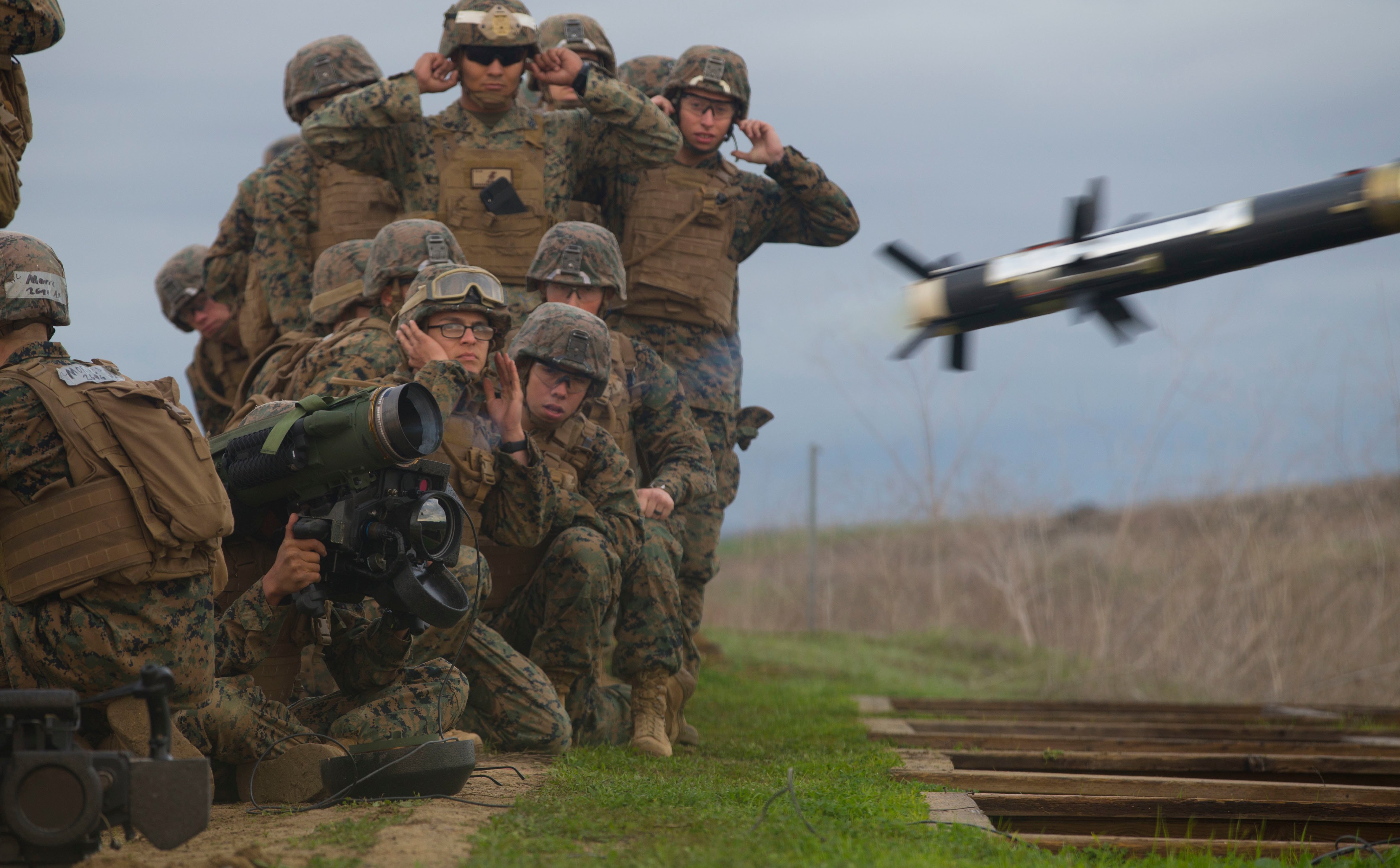
On Tuesday, President Emmanuel Macron clarified that France would provide Ukraine with more weapons to help Kyiv’s forces strike targets deep behind Russian lines. Arriving at a NATO summit focused on Kyiv’s battle against Moscow’s invasion, Macron said Paris would send the SCALP missile, already supplied by London under the name “Storm Shadow.” The air-launched cruise missiles can carry a substantial warhead and hit hardened and buried targets at 300 kilometers.
Since the war began, France’s ad hoc equipment supply to Ukraine has included Caesar self-propelled howitzers, Milan antitank missiles, Mistral anti-aircraft missiles, and AMX-10 RC light armored vehicles. The new missile delivery, however, will reportedly include more advanced equipment—specifically, SCALP-EG cruise missiles that can be launched from warplanes such as Britain’s Tornado and France’s Rafale. However, the ad hoc nature of the aid has not allowed for much maintenance, and many pieces of gear have yet to see combat.
But France’s upcoming move will likely make it the first EU state to provide Ukraine with such longer-range munitions, and it may be an essential signal that Kyiv is ready to receive more advanced weaponry. France’s offer of the missiles is also a reminder that Europe is unified against Russia. In contrast, the US remains divided on what to do about Ukraine.
Ukraine will be central to Europe’s security for decades despite the current fighting outcome. Kyiv and its partners must design a formal long-term security arrangement before the war ends. That arrangement must bridge the period until Ukraine joins the European Union, which will confer a security guarantee.
While the task of a new security arrangement is daunting, it is possible to put the pieces in place now. The massive military support that NATO, the United States, and other countries have provided since the onset of the war against Russia’s full-scale invasion provides an excellent foundation to build on. And the experience of the United States’ close defense relationships with non-treaty allies—notably, Israel—can provide a model for how such an arrangement could be designed and implemented. These arrangements would require the support of the United States to provide intelligence, logistical assistance, and political backing—but they could help unite much of Europe in opposition to Putin’s criminal megalomania. And they would allow the United States to shift away from a “soft containment” policy toward one of active engagement and firm deterrence. Such an approach should have broad public support. And it will make the United States more attractive as a partner for Ukraine in the future.