

Online shopping also continues to change in a direction where concentrated offerings beat mass selections. Most of the categories set far in front of the othersfrom marketplaces and through independent storefrontsare less about hot genres and more about long-term changes to the way we live, re-experience our bodies, and spend our money. Wellness kits, pet supplies, and digital products sit at the forefront of that movement with each providing sellers with a more straightforward route to margin and commitment that other generalist stores often struggle with. Wellness is no longer about isolated supplements or single-use devices.
consumers want the integrated package that becomes part of what they do every day. A sleeping spray and a quick meditation recording and a nice tin of herbal tea can outperform any one of those items sold together. It’s the same logic at work in the morning-Energizer packskick-starts assembled in a nice package and handed off with digital instructions; post-Workout recovery bundles; relaxation-boosting kits that combine material necessities with quick digital reminders. Customers react favorably to the concept of someone having already prepped the package for them.
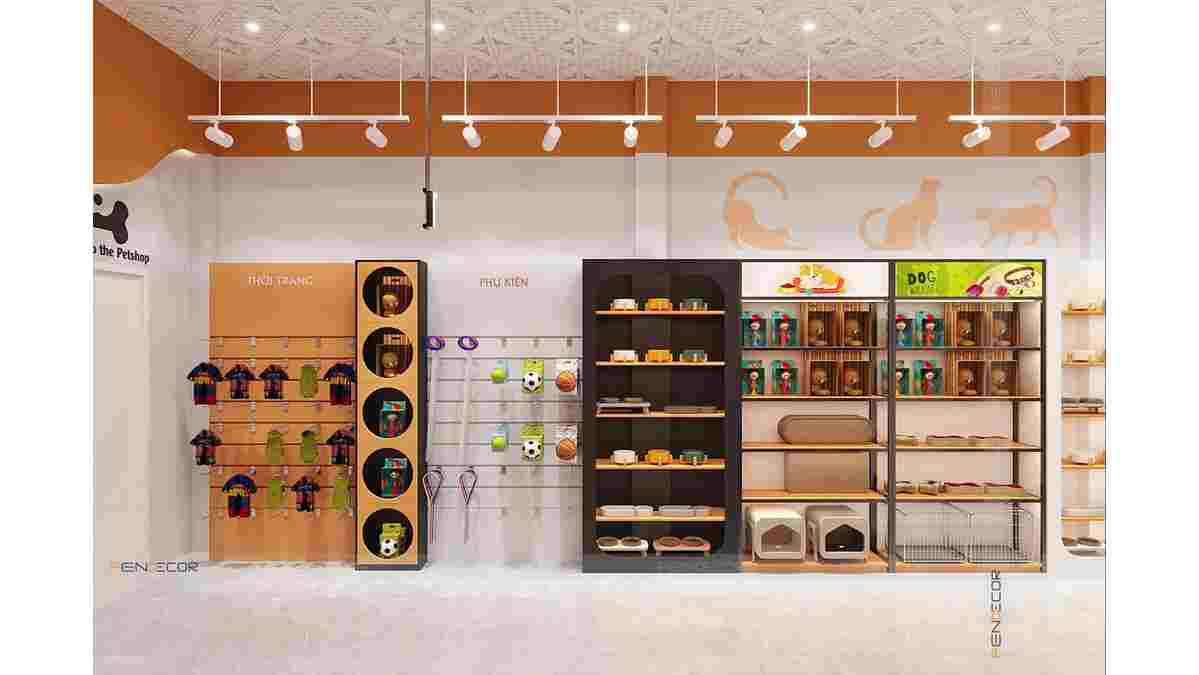
For vendors, this equates to higher average cart size and cutting down on one-and-done purchases. The emotional benefits of the self-care investment keeps the customer writing repeat installment payments. Pet products exhibit comparable affection. Owners consider their animals part of the family, and spending demonstrates this relationship. Customized name tags, breed-specific nutrition, and limited-edition clothing render a standard product into an item of personalization and love. Community-based brands that share stories, user-uploaded images, and how-to tips establish a more influential relationship than merchants that promote benefits and specifications. Print-on-demand offerings reduced the degree of an investment for smaller merchants wanting to experiment with designs.
The category is not usually an “extra” in a customer’s life, which shields it to some extent from wider economic concerns. Once you create digital products or AI-powered services, it’s a different market but a good one. These products don’t need to ship, and the margins are nearly 100% once you develop the product. They can be sold to customers with any internet connection and can be accessed on any device.
Packets of tips that help customers improve results from large generative tools, niche templates for specific workflows, tiny courses for a skill or competency, and lightweight app tools that address a narrowly defined problem all fit here. If a creator deeply understands an audience, they can quickly move through the cycles from concept, production, and sale. Distribution is done through mailing lists, media channels, or marketplace listings while heading for warehouses and fulfillment centers. The infrastructure enables experimentation that traditional to physical products.
All of these markets are united by Truth is they are not driven by novelty but by reality. Wellness kits are successful only if they actually help sleep or relax. Pet supplies must improve life for the owner and the pet. Technology is lasting when it helps users reclaim time or do something they couldn’t do before. Entrepreneurs who view consumers as problem partners will outperform those simply chasing passing trends. The overall ecommerce landscape is still highly competitive and noisy. Big players remain the dominant source of discovery for many customers and steadily rising advertising prices impact smaller players’ ability to gain awareness.