

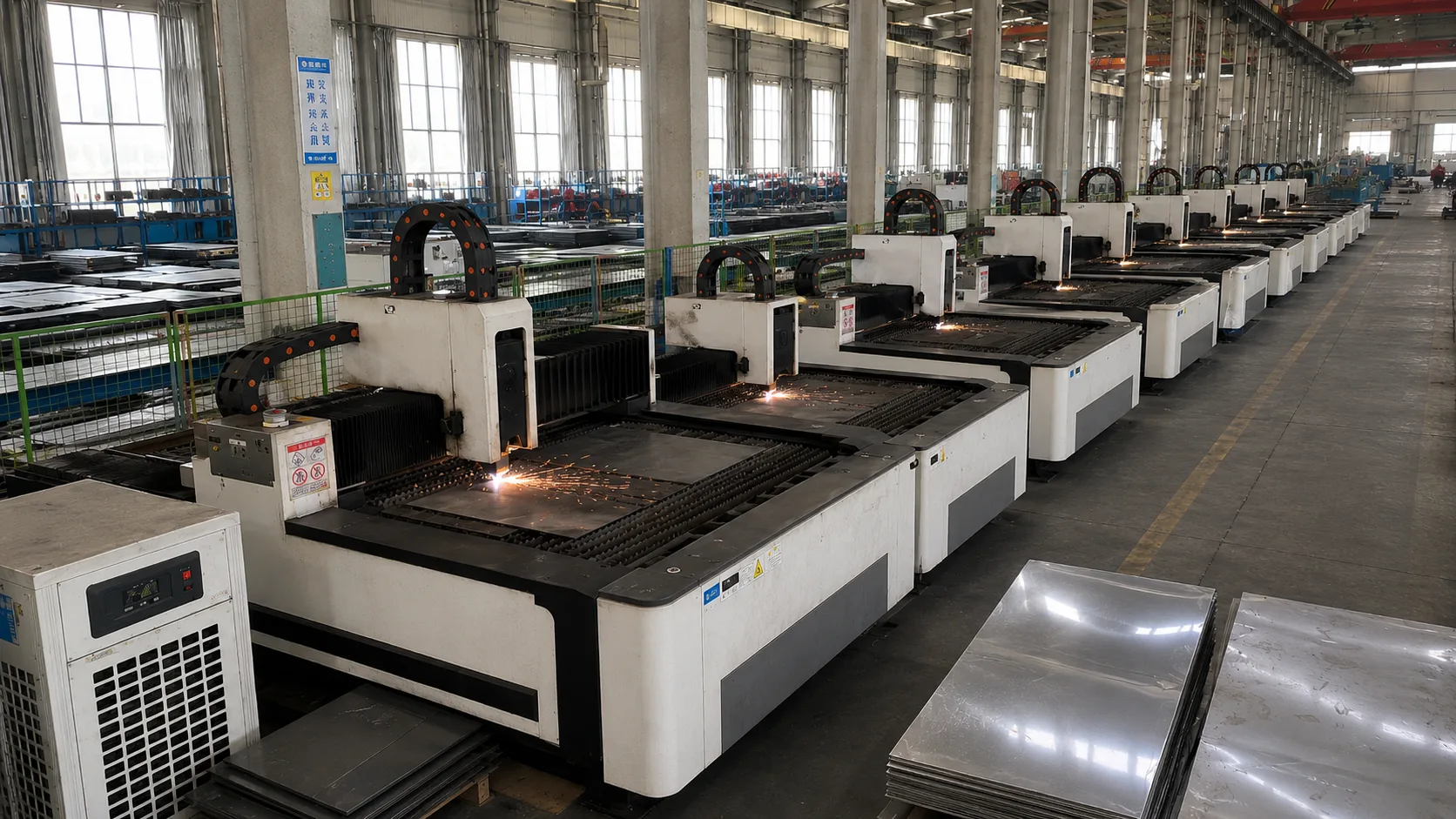
The Kitchen Is a Machine Made of Machines
Professional kitchen is never simply a space containing the machinery. Rather it is a dynamic system in which steam, steel, refrigeration and people all have to remain in tune during every peak hour. The moment the balance gets disrupted, the consequences of such disruption are revealed in terms of cold food, late trays, and annoyed staff. It is for this very reason that selecting commercial kitchen equipment manufacturers is a strategic choice.
Start with Production, Not a Model Number
Two kitchens of equal square footage might call for radically divergent systems. The first prepares a thousand meals in forty minutes, while the other prepares meals for clinical-stay hospital patients. The finest kitchen equipment manufacturer starts with the correct questions. How many meals come out of the pass within an hour? Is it cook-serve, cook-hold or cook-chill flow? Where do the raw, cooked, clean and dirty areas intersect? What are the power, gas, water and air requirements at the site?
Only after getting these answers does equipment selection occur. This discipline of engineering leads to a solution of the catalog based on actual work.
A Portfolio Built on Function
Purpose drives the selection of dependable equipment for the commercial kitchen. The batch and steaming equipment cook and steam the food on the menu. Temperature-controlled holding makes the transfer of foods to banquets and hospitals safe. The dishwashing equipment is designed on return loads and the service station is designed per covers per minute. The stainless steel work is custom fit to the layout, refrigeration to the flow and sterilization completes the cycle. Each family answers a simple question; what does this kitchen have to do?
Quality You Can Inspect
Promises come easily, but facts are hard to come by. Good manufacturers will subject themselves to inspection of material specs, welding and finishing tolerances, assembly and functional testing before shipping. Documentation of all workshop processes, tests performed and results obtained allow the purchaser to check the facts rather than believe the promise.
From Requirement to Verified Shipment
A good project will have the following process: determination of capacity and menu, engineering of layout and utilities, manufacturing with in-process verification, and finally verification by factory acceptance test and documentation. Having control over one production system helps to avoid many surprises on the delivery day, especially when it comes to export projects.
Turnkey Thinking for High-Stakes Kitchens
The central kitchens, hotel banquets, school and factory cafeterias, hospitals and airline catering have something in common: failure is costly. Individual machines do not suffice. Throughput, flow of hygiene, timing of service, and documentation have to operate as an integrated engineered system, which is provided only by turnkey planning.
The Takeaway
In considering a commercial kitchen equipment producer, do not rely just on the sales literature. Request the engineering technique, the test data, and the examples of their projects. Those kitchens which flourish when under stress have been created by companies who understood the business before the machinery.
FAQs:
1. What considerations should I keep in mind before I buy Commercial Kitchen Equipment?
Consider the size of your kitchen, your menu, production needs, energy requirements, installation requirements, cleaning requirements, maintenance requirements, and adherence to applicable safety standards.
2. Are there any Commercial Kitchen Equipment that fit small restaurants?
Yes, commercial kitchen equipment comes in different models and designs, hence small restaurants, cafes, food trucks, and takeaway businesses can choose kitchen equipment that will fit them.
3. How can good quality kitchen equipment help the business run more efficiently?
Good quality kitchen equipment helps with organized workflow and reduced movements in the kitchen, improves consistency in preparations, and assists in handling busy times in the kitchen.
4. What should I expect in terms of the quality of materials used in the manufacturing of commercial kitchen equipment?
Food contact surfaces need to be made from appropriate materials. Stainless steel is one material commonly used in food preparation equipment.
5. Does Kitchen Equipment Manufacturer provide any installation assistance?
Installation may be provided by many manufacturers or suppliers. Buyers must confirm if the manufacturer provides the service during purchasing the equipment.