

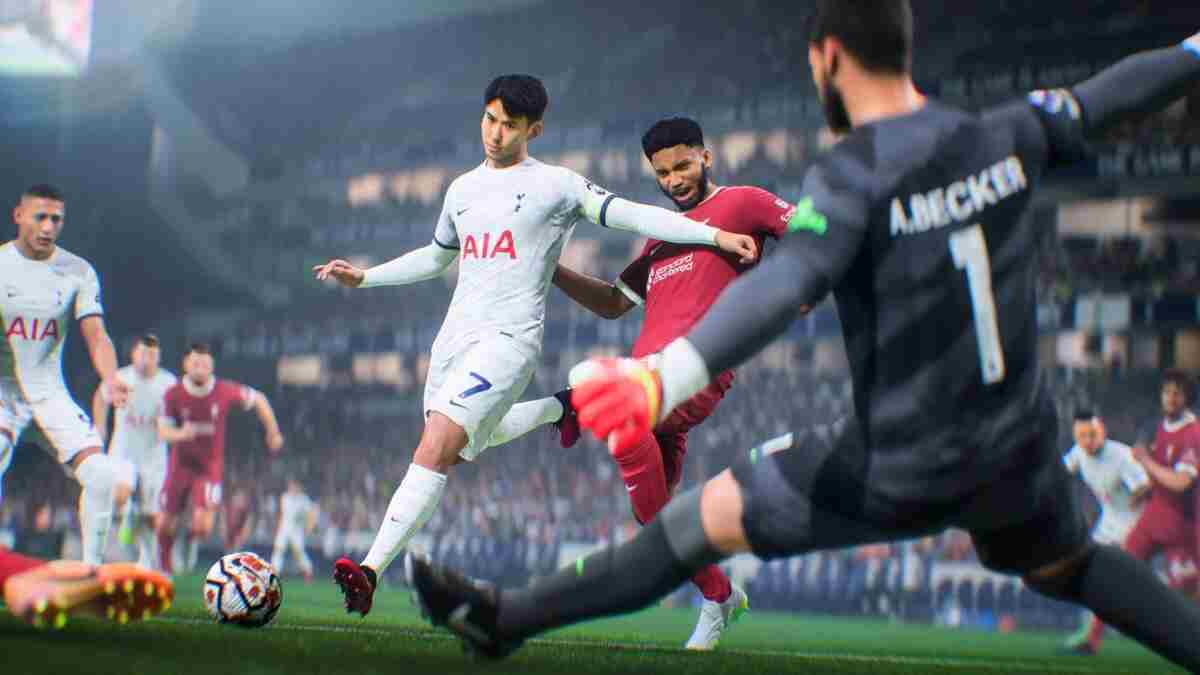
The gaming industry is undergoing one of its most significant transformations as Electronic Arts moves closer to a massive $55 billion buyout. Known for blockbuster franchises like FIFA, Battlefield, and The Sims, the company is set to transition from a publicly traded giant into a privately owned powerhouse. This deal is not just another acquisition. It is being described as the largest leveraged buyout in gaming history, signaling a major shift in how the industry operates and evolves.
The acquisition is being led by a powerful consortium that includes Saudi Arabia’s Public Investment Fund, private equity firm Silver Lake, and Affinity Partners. Together, they are aiming to take full control of Electronic Arts in an all-cash transaction valued at approximately $55 billion.
What makes this deal even more remarkable is the premium offered to shareholders. Investors are set to receive $210 per share, representing a significant increase over the company’s previous market value.
Why This Buyout Matters
The scale of this acquisition reflects the growing importance of gaming as a dominant form of entertainment. Over the past decade, video games have evolved into a global industry that rivals film and music combined. By taking Electronic Arts private, investors are betting on long-term growth and innovation without the short-term pressures of public markets.
This move gives EA greater flexibility to invest in new technologies, expand its intellectual properties, and explore emerging trends such as artificial intelligence and immersive gaming experiences.
The buyout also highlights a broader trend of consolidation in the gaming sector. Major companies and investors are increasingly acquiring established studios to gain access to valuable franchises and loyal user bases. This strategy is expected to accelerate as competition intensifies across digital entertainment platforms.
Financial Power Behind the Deal
The structure of the deal itself reflects its enormous scale. Around $36 billion is being funded through equity investments from the consortium, while approximately $20 billion is being financed through debt arranged by major financial institutions.
Recent developments show banks actively working to distribute billions in loans tied to the transaction, indicating strong financial backing despite broader economic uncertainties.
The deal has already received shareholder approval and is expected to close once regulatory processes are completed, potentially marking the end of EA’s decades-long journey as a publicly listed company.
Impact on Games and Players
For gamers, the buyout could lead to significant changes in how games are developed and delivered. With private ownership, Electronic Arts may focus more on long-term projects rather than quarterly financial performance. This could result in higher-quality games, deeper storytelling, and more ambitious innovations.
At the same time, there are concerns about how ownership changes might influence creative direction and company culture. Some industry observers have raised questions about the future of certain franchises and how new investors might shape EA’s priorities.
Despite these concerns, company leadership has emphasized that the goal of the deal is to strengthen EA’s ability to innovate and grow. The company is expected to continue operating from its headquarters while maintaining its leadership team, ensuring continuity during the transition.
A Turning Point for the Industry
This buyout represents more than just a financial transaction. It marks a turning point in the evolution of the gaming industry. As private capital flows into gaming at unprecedented levels, companies are gaining the resources needed to push technological boundaries and expand their global reach.
The move also reflects the increasing role of international investors in shaping the future of entertainment. With gaming becoming a central pillar of digital culture, deals of this magnitude are likely to become more common in the coming years.
Electronic Arts is no longer just a game publisher. It is becoming part of a much larger vision that blends technology, media, and global investment. As the deal moves toward completion, it stands as a clear sign that the future of gaming will be driven not only by creativity but also by strategic financial power.