

There was a time, not long ago, that gallium-nitride looked like a laboratory curiosity. But then the Pentagon got interested, hunting for new electronics to drive next-generation radar and wireless communications. Funding from the Defense Advanced Research Projects Agency (DARPA) drove much of the experimentation that turned GaN into a commercial reality. GaN, also known by its chemical name, indium nitride, is now the basis of a wide range of technologies in everything from LEDs to electric cars to 5G base stations.
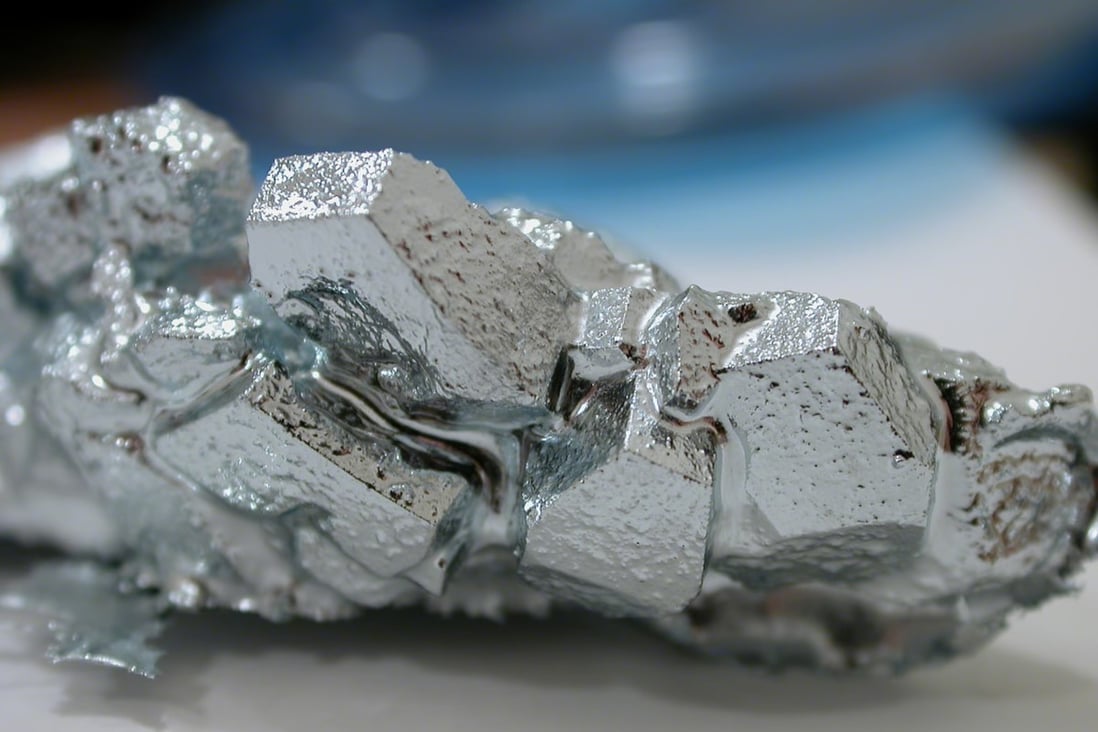
But while the Pentagon holds a strategic U.S. stockpile for germanium, it currently has no inventory reserves for gallium, a spokesperson said on Thursday, after China announced export restrictions on the two metals used in semiconductors. The move could disrupt the global supply chain, raising concerns in Washington about whether the government plans to ensure uninterrupted supplies of these materials.
The Department of Commerce, which oversees the country’s export control system, added gallium oxide to its list of controlled substances in 2022 because devices made with the material have military potential. China accounts for 98 percent of primary low-purity gallium production worldwide and produces nearly all of the world’s germanium.
Despite the need for inventory reserves for these two elements, the Defense Department has other options. “The (Defense) Department is proactively taking steps using Defense Production Act Title III authorities to increase domestic mining and processing of critical materials for the microelectronics and space supply chain, including gallium and germanium,” a spokesperson told Reuters. The spokesperson said those efforts include funding projects for extracting those materials from their natural deposits and encouraging private companies to invest in recycling and other recovery processes.
This effort to encourage domestic mining and processing is part of what Robert Zolnowski, a former national security adviser who helped shape defense policy under Presidents Obama and George W. Bush, calls a three-part strategy to ensure the United States remains the top supplier of high-tech components. It includes stimulating supply by funding the development of new technology, building stockpiles, and working with allies to share technology and resources.
But the question in a world where Washington budgets from month to month and strategists are savants who see only an hour into the next news cycle is whether this administration can muster enough political will to implement the strategy.
For now, many companies are scrambling to secure supplies of the materials they need. Defense contractors like Lockheed Martin Corp LMT.N, which produces chips that generate the high-frequency raid waves needed for 5G, are likely to buy germanium and gallium from suppliers from China. An industry official said that a disruption in those supplies could slow down or ratchet up the cost of producing the DoD systems they build. The same is true for industries that rely on materials for things like PET plastics and electronic components. The issue will loom large during a trade war when tensions are running high in all directions.